
Key Takeaways
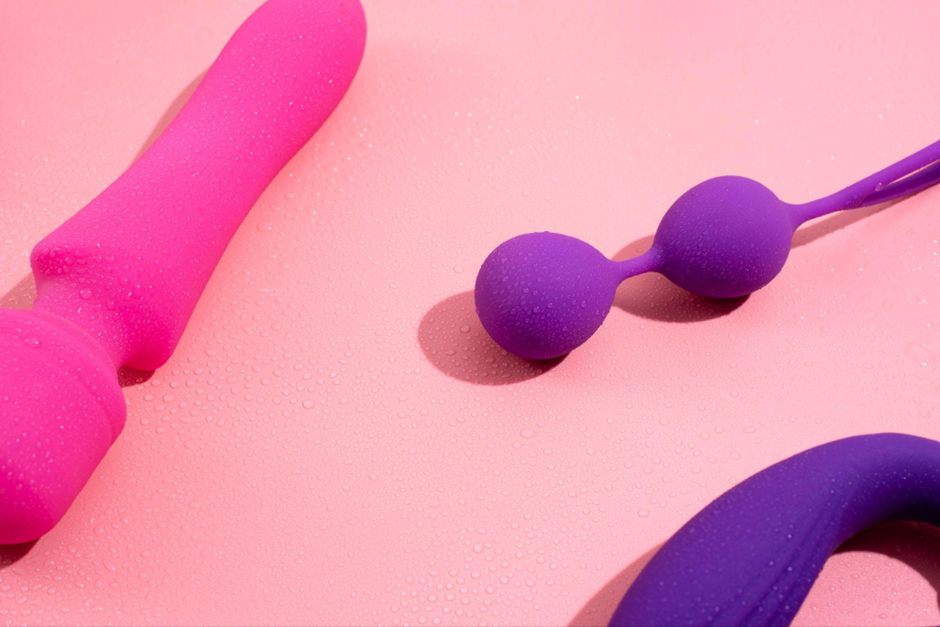
- A vibrating wand can look sculptural on a product page and still feel like an awkward baton once it is in your hand.
- Handle angles, balance, and surface grip affect comfort more than how “premium” the design looks.
- Many designs borrow visual cues from a discreet vibrator for aesthetic appeal, even when those cues hurt usability on larger devices.
- Testing grip positions and control reach before buying prevents the common “this looked better online” regret.
Introduction
Product designers love clean lines. Marketing teams love anything that photographs well under soft lighting. Your wrist, unfortunately, did not sign up for this aesthetic journey. A vibrating wand can look like a museum piece and still feel uncomfortable the moment you actually try to use it. The problem is rarely the motor or the power settings. It is the shape. Once design choices prioritise shelf appeal over how real hands hold real objects, users end up fighting the device instead of using it. The result is fatigue, awkward repositioning, and the slow realisation that the most expensive-looking option is sometimes the least comfortable to live with.
Sculpted Handles That Force the Wrist Into Bad Angles
Curves sell. “Ergonomic” is printed on boxes with confidence. In practice, many sculpted handles lock the wrist into a single angle that suits a studio model’s hand more than an actual user’s. A vibrating wand with dramatic bends looks dynamic in photos but reduces the ability to adjust grip during use. This characteristic forces the forearm to work harder to stabilise the device, which becomes noticeable far sooner than expected. Instead of relaxing into the experience, users find themselves micro-adjusting their wrist every few minutes, like they are holding a heavy hairdryer with opinions. Straight or gently tapered handles allow natural repositioning without fighting the shape, which is less exciting for marketing photos but far kinder to human anatomy.
Top-Heavy Heads That Tip and Twist Mid-Use
Large heads communicate power in the same way loud engines communicate speed. They also create leverage. Once the head is heavier than the handle, gravity turns the device into a polite but persistent weight pulling your wrist downward. Users compensate by gripping tighter, which shortens comfortable session time and reduces fine control. This quality is common in larger vibrating wand designs that use thick silicone heads and dense motors. Compact products sold as a discreet vibrator often avoid the top-heavy problem, but their smaller grips can feel fiddly for extended use. Balance is not about size alone; it is about whether the device stays where your hand expects it to stay instead of quietly arguing with your forearm.
Seamless, Slippery Finishes That Kill Control
Minimalist finishes look premium. They also behave like they were designed by someone who has never held anything with wet hands. Uniform silicone skins with no texture lines are easy to clean and impressively smooth, right up until grip security starts to matter. Once surfaces are too slick, control depends on constant muscle tension. That tension adds up. Subtle texture zones or matte grip panels improve traction without turning the device into industrial equipment. Many brands avoid visible grip aids to preserve clean aesthetics, then describe the surface as “soft-touch” and hope that solves physics. Soft is pleasant. Secure is functional. They are not the same thing.
Button Placement That Looks Neat but Breaks Reach
Flush buttons look tidy and photograph well. They also disappear the moment you actually need them. Once controls sit too close to the head, users must shift their grip to change settings. However, once buttons are too flat, tactile feedback disappears and accidental presses become part of the experience. This instance breaks continuity and forces users to look down, which is rarely the intended mood. The issue appears in both vibrating wand and discreet vibrator designs, but it is more obvious on longer handles, where grip position changes naturally. Controls should be reachable without hand gymnastics and identifiable without visual confirmation. Neatness does not equate to usability. It just looks good on a website.
Novelty Shapes That Prioritise Shelf Impact Over Handling
Geometric handles, hollow cut-outs, and sculptural negative space exist because shelves are competitive and feeds are crowded. These shapes stand out. In hand, edges create pressure points and hollow sections reduce stability. The novelty tax is paid in comfort. These designs also complicate storage and charging, because docking something shaped like modern art is harder than docking a simple cylinder. Over time, users drift back to devices that do not require a grip strategy session before use. Visual differentiation helps products get noticed. It should not require users to adapt their hands to the device instead of the other way around.
Conclusion
A device that looks good in photos can still be annoying to hold in real life. The most common design mistakes in vibrating wand products come from prioritising silhouette, seamless finishes, and dramatic proportions over grip geometry, balance, and control reach. Smaller devices sold as a discreet vibrator dodge some of these issues but introduce their own handling compromises when concealment beats ergonomics. Buyers who look past visuals and assess handle shape, weight distribution, surface traction, and button reach are more likely to end up with a device that behaves like a tool designed for hands, not just a prop designed for marketing shots.
Visit Horny.sg to shop a curated range of ergonomically balanced vibrating wands and discreet vibrator designs that prioritise real hand comfort, proper weight distribution, and control placement that actually makes sense.
